
A wine course is a practical way to deepen your wine knowledge step by step. The foundation course lasts four evenings and covers ten key grape varieties. This helps you recognise wines more effectively and taste with greater insight. What makes wine lessons appealing to anyone wanting to develop their palate and understanding?
You will discover what participants experience, how personal guidance works in small groups, and where WTOL Academy holds its lessons. You will also find out what to expect during the sessions and how to put your newfound knowledge into practice when tasting. This will help you decide whether this learning experience matches what you want to achieve from a wine course.
Key takeaways
- Discover how tasting and practical examples help you turn wine knowledge into recognisable flavours and aromas.
- In a small group, there is plenty of room to ask questions and receive personal guidance as you learn to taste.
- Looking to take your knowledge even further? See how SVH Wine 1 fits into the next step of your wine journey.
Participants’ experiences
The foundation wine course in Breda consists of one evening and covers ten important grape varieties. This structure helps you identify the differences between grape, origin, and flavour. For instance, an enthusiast can compare how the same grape develops differently across wine regions. In this way, theory is brought directly into the glass. You learn to put into words what you taste, rather than simply saying a wine is nice.
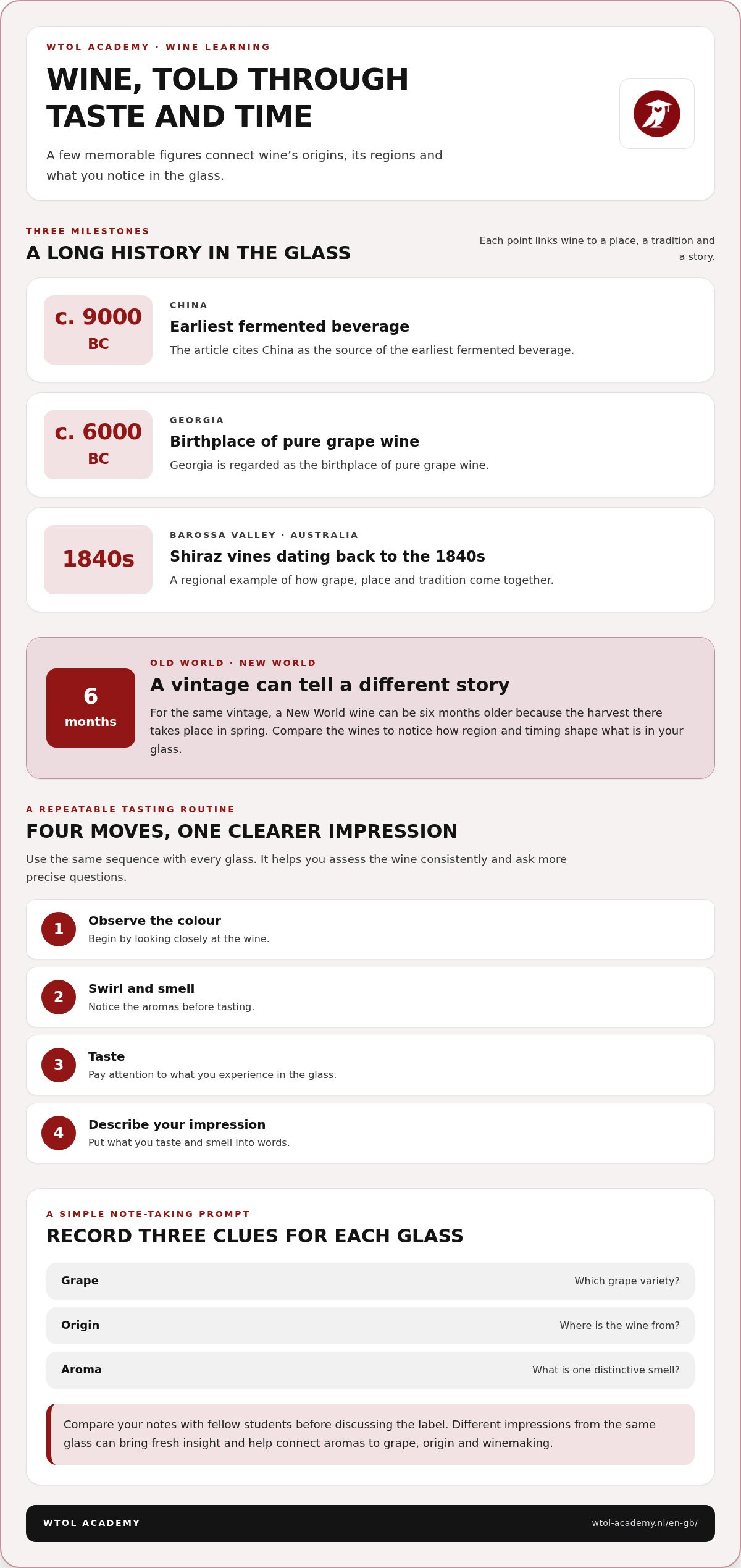
Vinification also makes tasting far easier to grasp. By exploring how wine is made, you link aromas to decisions made in the cellar. The comparison between the Old and New World provides a clear example. For the same vintage, a New World wine can be six months older because the harvest there takes place in spring. Such differences make your tasting notes more specific and help you ask more targeted questions.
The lessons also place wine within a broader world history. China is cited as the source of the earliest fermented beverage, around 9000 BC. Georgia is regarded as the birthplace of pure grape wine, around 6000 BC. In Australia, the Barossa Valley boasts Shiraz vines dating back to the 1840s. These examples link grape varieties directly to place, climate, and tradition.
A practical tip: for each glass, jot down the grape, origin, and one distinctive aroma. Then compare your notes with those of fellow students. This way, you notice which flavours you spot yourself and which explanations offer fresh insights. This approach is valuable for beginners as well as for anyone aiming to share more about wine regions as a sommelier later on.
Choose a course that suits your goals and follow the registration steps on the course page. The cancellation policy explains how to amend or cancel an enrolment and outlines the relevant notice periods.
The foundation course runs over four evenings.
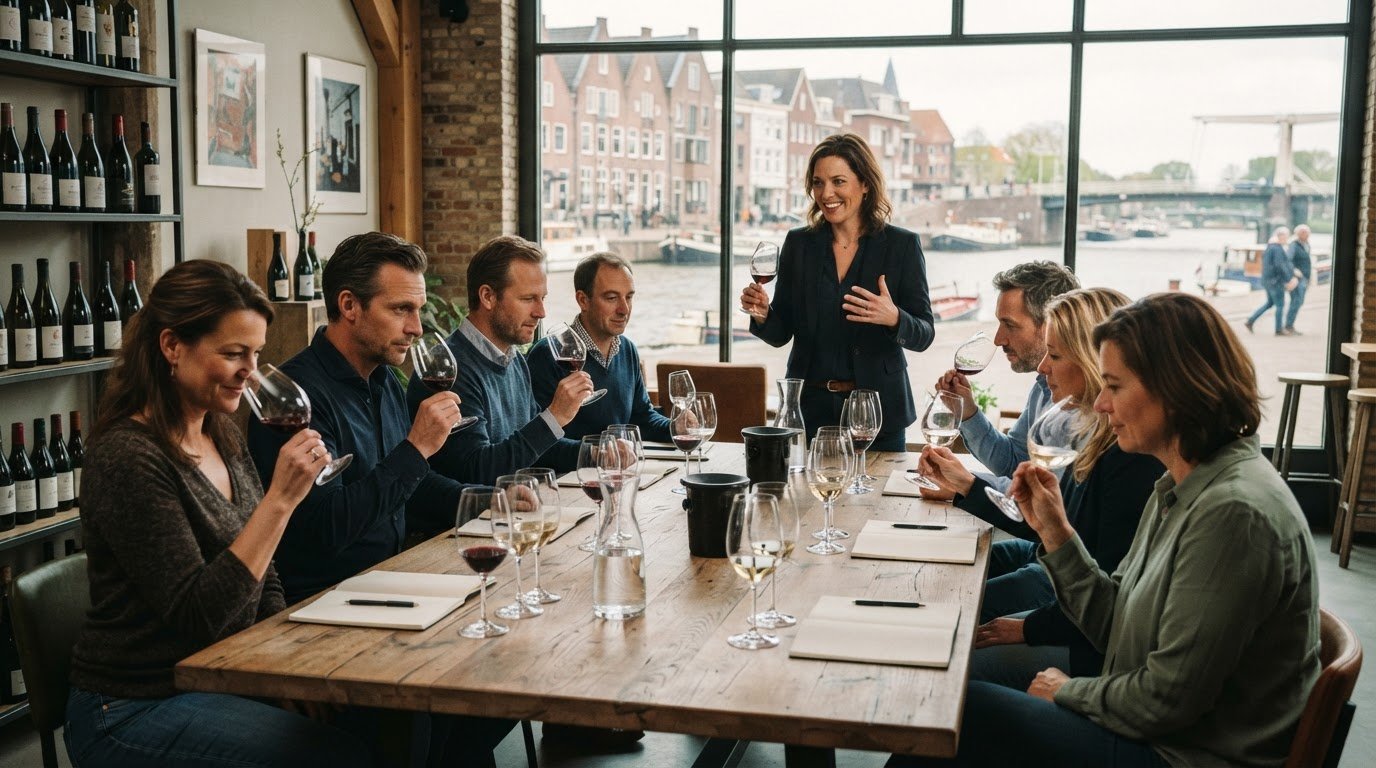
Small groups and personal guidance
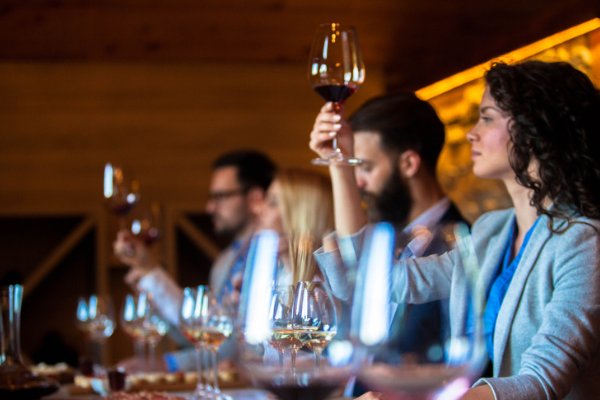
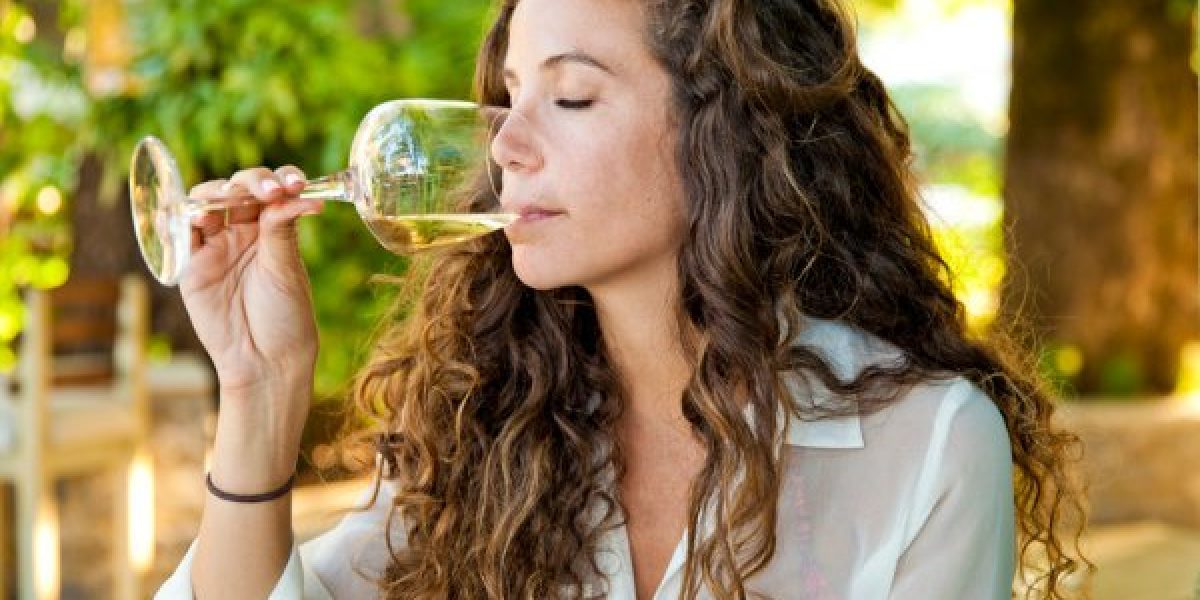
During a tasting, you will hear different impressions from the very same glass. One participant might pick out red fruit, whilst another notices herbs and spices. Compare these impressions before discussing the label. This teaches you to evaluate flavours without assuming there is only one right answer. An instructor can then connect the descriptions back to the grape, origin, and winemaking process.
Personal guidance works best when you tie your question directly to a tasting moment. Ask, for example, why a wine feels acidic or which aroma is typical of a particular wine region. The explanation then connects directly to what you smell and taste yourself. Note down one aroma and one question after each wine, and bring those notes along to the next session.
Your current level determines where extra guidance will be most helpful. A beginner can start by practising with fruit, herbs, and acidity. Those with more wine experience can compare regional nuances. Follow the same sequence with every glass: observe the colour, swirl and smell, taste, and describe your impression. This consistent routine sharpens your assessment and helps you ask precise questions.
Targeted feedback is equally valuable when preparing for an exam. Have someone read your tasting note and ask which descriptions still sound too broad. For instance, replace "crisp" with a more specific descriptor, such as citrus or green apple. Then discuss which characteristics in the wine justify that choice. This helps you build reasoned arguments rather than simply memorising vocabulary.
Looking to explore different learning paths side by side? In our overview of wine and hospitality courses, you can find the training programme that best matches your level and learning goals.
Location in the centre of Breda
The course venue in Breda offers free parking facilities. The difference between beginner and advanced courses lies primarily in the depth of study. As a beginner, you practise core concepts and recognise grape varieties. At a higher level, you might compare regions, wine styles, and producer choices. This allows you to build on existing wine knowledge and refine your tasting precision.
WTOL Academy runs wine courses focused on Dutch, Spanish, French, and Italian wines, as well as alcohol-free wine. There are also interactive wine workshops available. A course devoted to a single wine country or region offers deep focus; a workshop is ideal for a more relaxed, experiential introduction. This allows you to choose between comprehensive study and exploring wines together.
The structure varies by course. For instance, a wine workshop may have a different format compared to a country-specific course. When planning, check the course format and details on the course page to select a learning experience that fits your diary and personal goals.
Levels range from introductory sessions to advanced studies. Thematic courses focus on specific wine regions and styles; for a qualification, select a course where the diploma is explicitly included. A wine workshop also makes a wonderful shared experience to give as a gift. Private workshops are available as an alternative to courses with other participants.
Would you like to compare different topics before making your choice? Explore our overview of wine qualifications and workshops to see which course best matches your interests.
WTOL Academy: SVH Wine 1
With SVH Wine 3 (Wine Certificate), WTOL Academy offers a progressive next step for anyone wishing to deepen their wine expertise. If you have had an introduction to wine and now seek professional depth, this qualification may suit your next learning goal. You can use the knowledge gained to assess wines with greater confidence and talk about them with solid expertise.
The right next step depends on what you want to learn. If you are seeking advanced wine expertise, SVH Wine 3 is a natural fit. If you would also like to develop your knowledge of beer, WTOL Academy offers SVH Beer 1 & 2. Choose according to your interests and the skills you wish to build.
Visit wtol-academy.nl to find out more about SVH Wine 3 (Wine Certificate) and view the course details.
Choose your next step in wine knowledge
A wine course in Breda can be the start of a learning journey tailored to your personal or professional ambitions. Consider what knowledge you would like to develop: do you want a firmer grasp of the basics, deeper insight, or a professional wine certificate? A clear goal makes it easy to select the right course.
WTOL Academy offers SVH Wine 1, SVH Wine 2, and SVH Wine 3 (Wine Certificate), allowing you to explore a learning path aligned with your experience and aspirations. Review the syllabus and see which step suits you best right now.
Explore the courses and contact WTOL Academy to discuss your options. Turn your curiosity into practical knowledge and enjoy discovering all that wine has to offer.
Frequently asked questions
Why choose a wine course in Breda?
A wine course in Breda helps you apply wine knowledge in a practical setting. You immediately link questions to what you smell and taste, rather than simply memorising definitions. This is particularly useful if you want to make more confident choices when buying wine at home, or talk more knowledgeably about grapes, origins, and flavour profiles in hospitality.
Can I learn about wine in Breda?
Yes, you can expand your wine knowledge through courses and tasting sessions run by WTOL Academy. Decide on your goal beforehand: learning to identify flavours, understanding a specific wine region, or building professional knowledge. Beginners can start with basic concepts, whilst those with previous experience will benefit more from comparative tastings. Jot down your impressions after each tasting and discuss them with the tutor.
What can you expect?
Expect a blend of theory and mindful tasting. You will learn to articulate your observations and connect grape varieties, origins, and styles. Bring along a notebook and record what you smell, taste, and wish to remember for each wine. This will help you build your own reference guide, making it easier to discuss wine choices in a restaurant later on.
Which providers run wine courses in Breda?
WTOL Academy offers wine qualifications and courses covering Dutch, Spanish, French, and Italian wines, as well as alcohol-free alternatives. You can also join interactive wine workshops. The best option depends on your goal: a themed course provides in-depth knowledge of a wine country, whilst a workshop focuses on discovering wine in a sociable setting. View the range of courses from WTOL Academy and choose the one that matches your interests.